- Town: Nikšic
- Category : Sacral objects
- TAG :
- Evaluation :
- GPS location: 42.770649739391004
18.952470407463533 - Show on map:



Period of unplanned urbanization took place after liberation from Turks in 1877. Prince Nikola, wanting to change this politics, hired respected Croatian architect Josip Slade, the author of the first regulation plan of the town which, inter alia, resulted in building of new town. Works on the square and surrounding streets in autumn, 1883, made the town look differently. According to prince’s wish, the date for settling the new town was determined, that is March 1st, 1885.
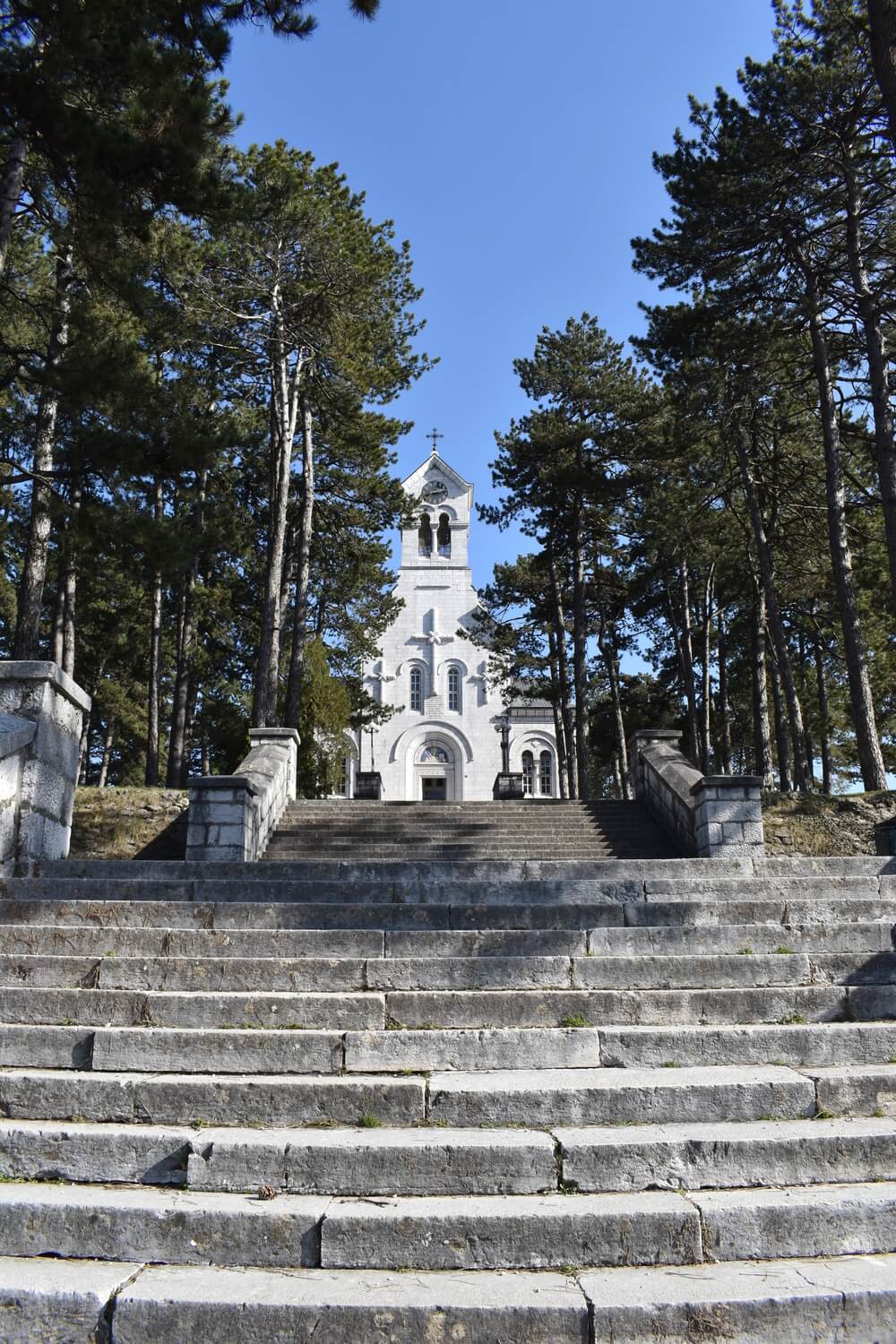
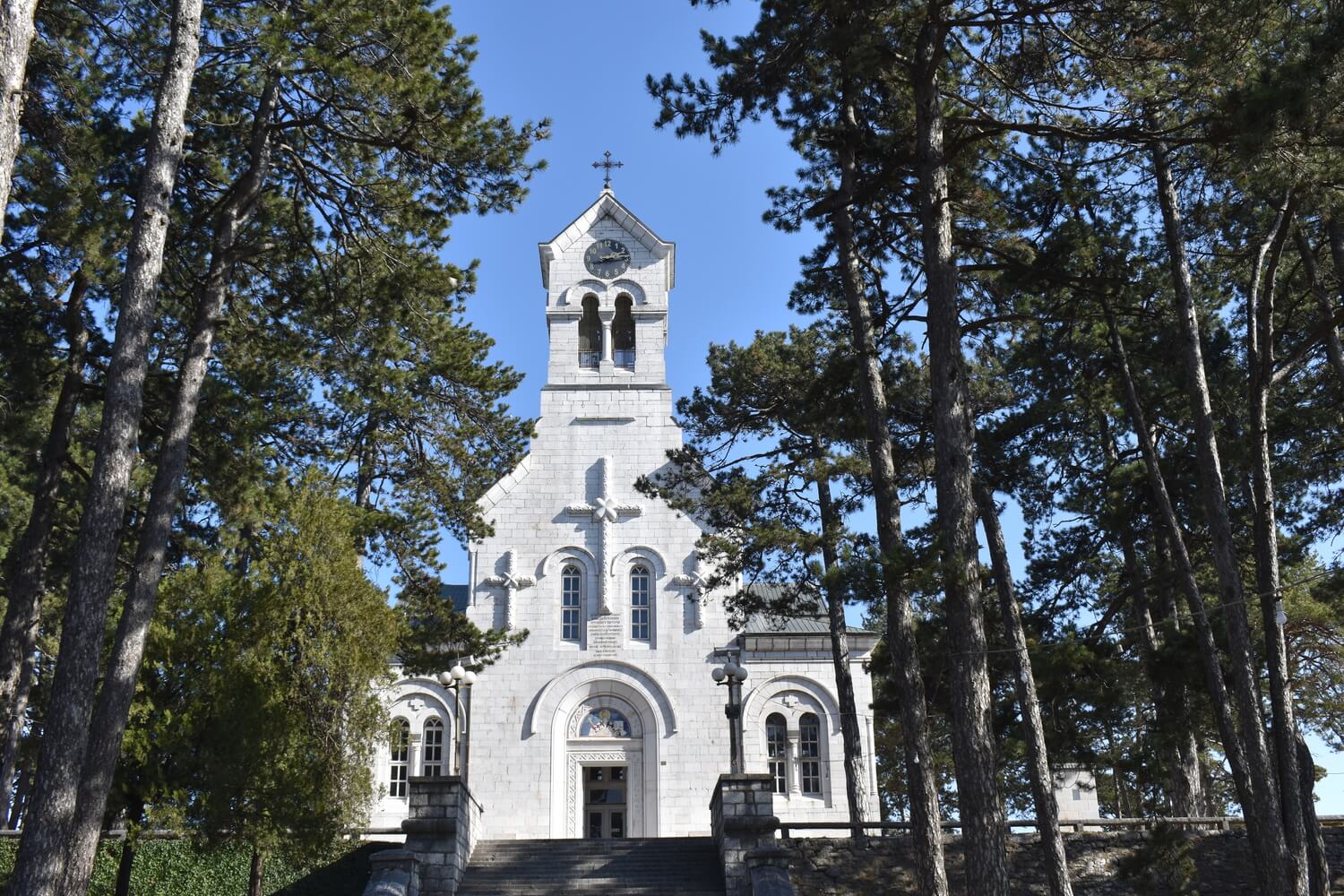
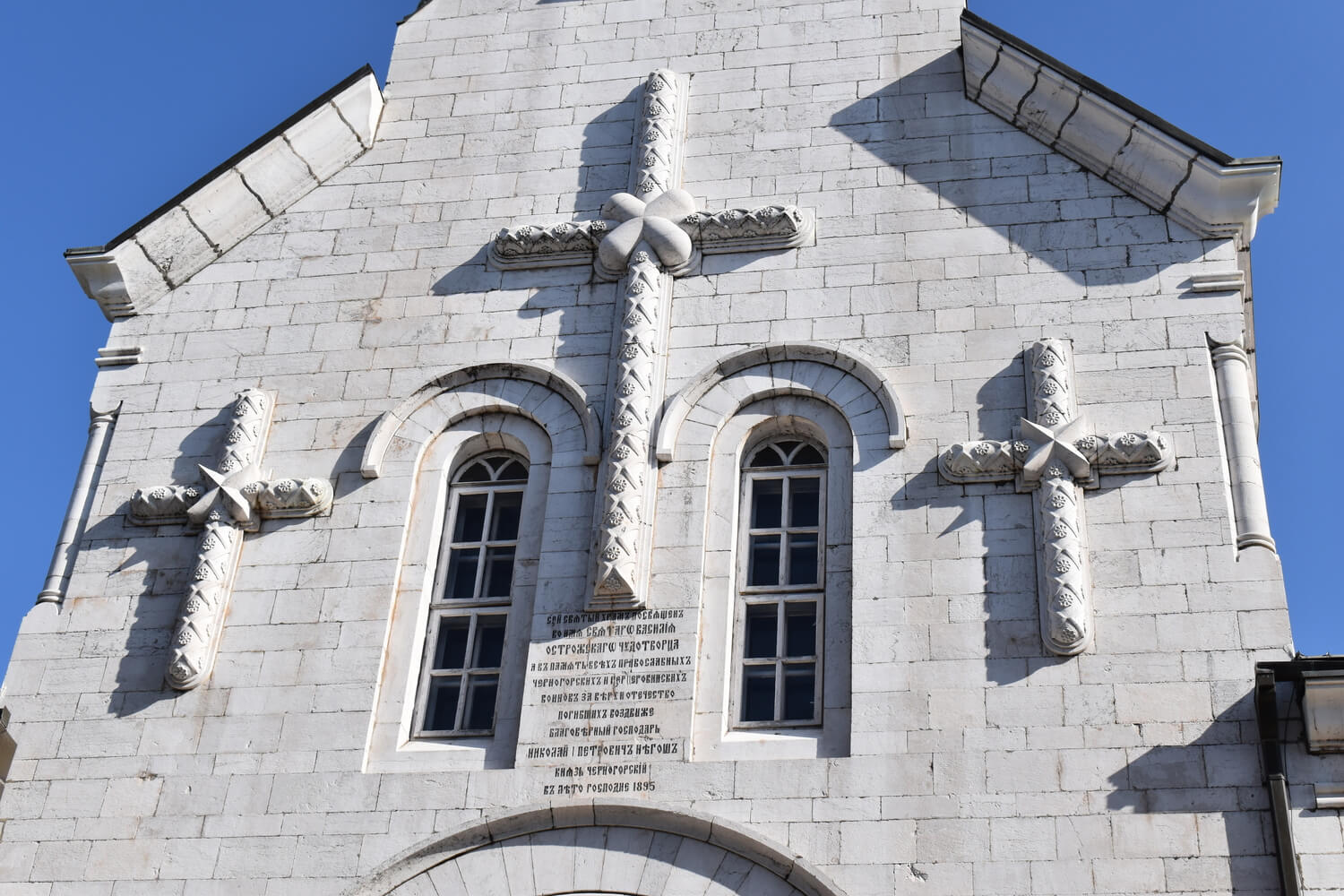
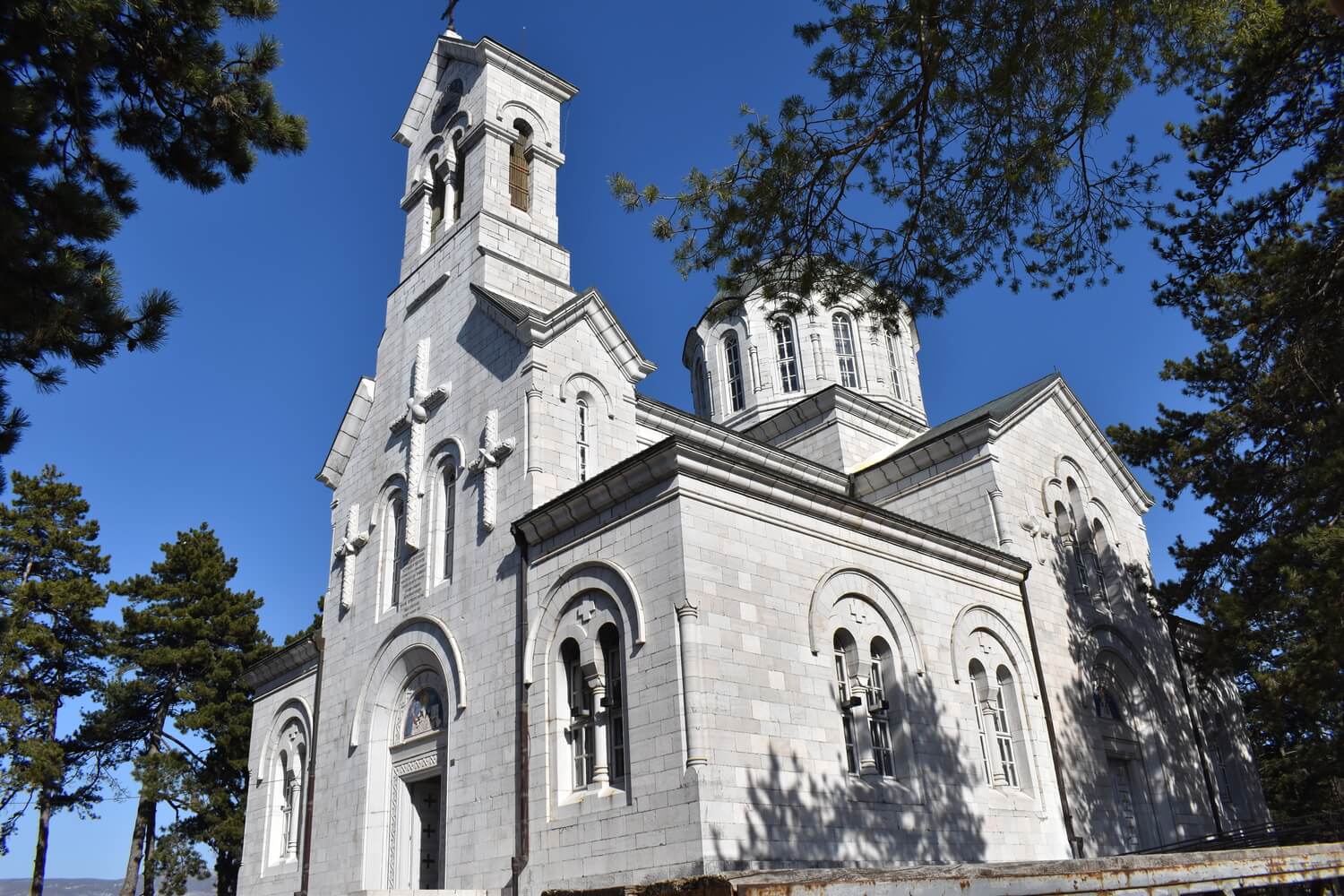
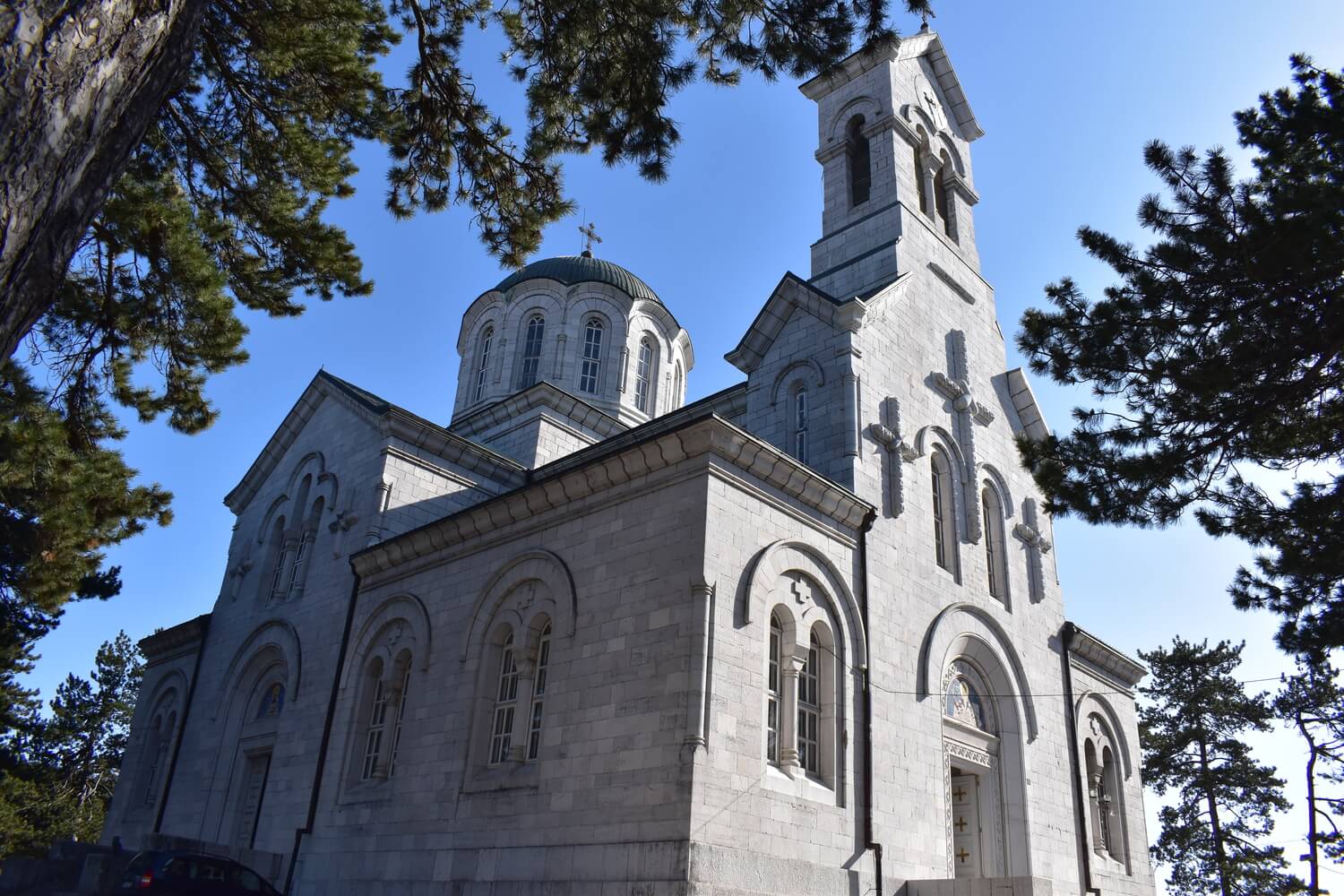
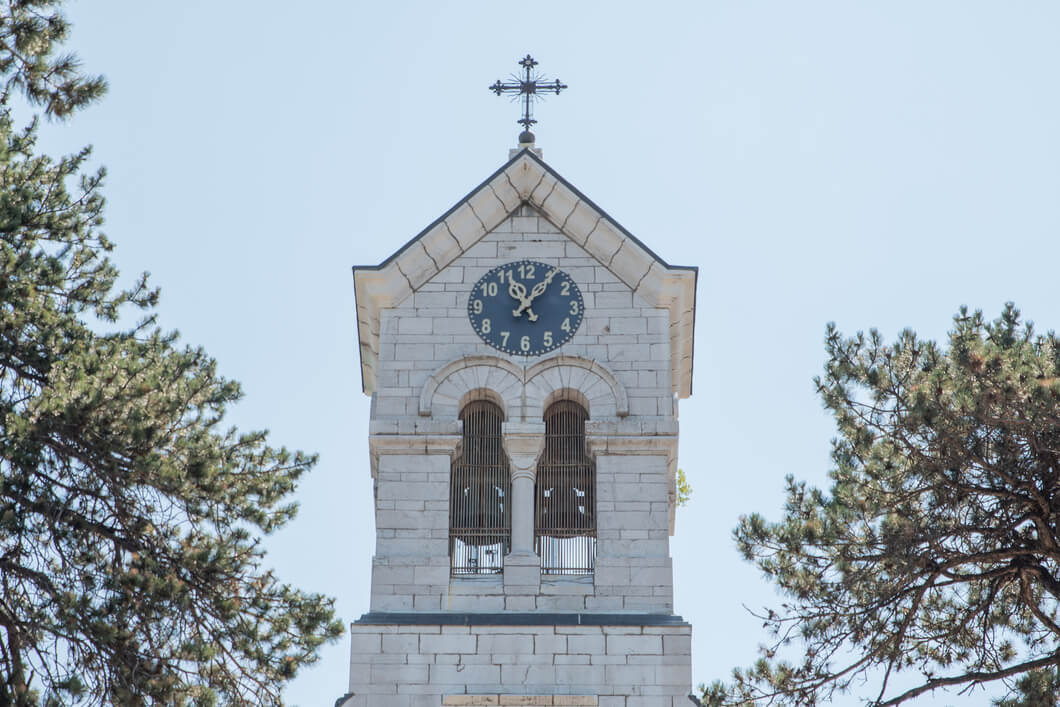
While his tour around the town, two months later, prince announced the building of a big cathedral church. He made the final decision on building this new building and naming it in honor of St. Basil of Ostrog in his summerhouse in Rijeka Crnojevića. At the same time, he decided to dedicate it to all people from Montenegro and Herzegovina who participated in liberation wars that took place in the period between 1875 and 1879.
A special committee was created in 1886. Šako Petrović Njegoš, governor of Nikšić as well as mentioned architect Josip Slade were on the committee whose goal was to find an adequate location for its building. Slade’s suggestion, Peter’s hill as the location, was finally accepted, mostly thanks to its dominant position in relation to the surroundings, vicinity of the cemetery and Church of St. Apostles Peter and Paul.
Construction commenced during the month of March in 1886 but were soon stopped due to the forthcoming barren years and great poverty in the country. The works continued several years later thanks to the help of Russian tsar and Holy Synod of Russian Orthodox Church because of which the architect Mihailo Mihailovič Preobraženski visited Nikšić in 1891.
On that occasion, he visited the construction site, took all the necessary information regarding the church design as well as information on nearby quarry from which he took different kinds of stone and sent them to Russia to be analyzed. Preobraženski’s career is abundant of references concerning sacral buildings around the world. Apart from architecture, he worked in restoration, pedagogy etc. Thanks to Cathedral church, Nikšić found its place on the map of large world cities in which this architect worked, such as Sankt Petersburg, Moscow and Buenos Aires. At the end of 1892, Preobraženski finished his designs which resulted in preparatory works before construction in the spring next year.
The works were supervised by Marko Živko’s Đukanović, who once as an exquisite student had been chosen to go to Luis Le Grande School in Paris and, together with several young men, according to prince’s wish, was taken by Simo Matavulj. He worked and supervised various projects in Montenegro such as building roads: Podgorica-Nikšić, Cetinje-Danilovgrad, Rijeka Crnojevica-Podgorica, Nikšić-Župa. He managed the works on Emperor’s Bridge. Prince asked him to deal with water supply issues in Nikšić as well. At the beginning of 1895, Đukanović informed prince that the building of the church will be delayed due to insufficient amount of nicely carved stone. Consequently, prince asked chief builders Miloš Lepetić and Tomo Geričić to bring more stonemasons from Boka, Italy and Korčula in order to speed up the works. An interesting fact states that Lepetić and the architect of Cathedral church never met. The building of church officially began in July of 1895.
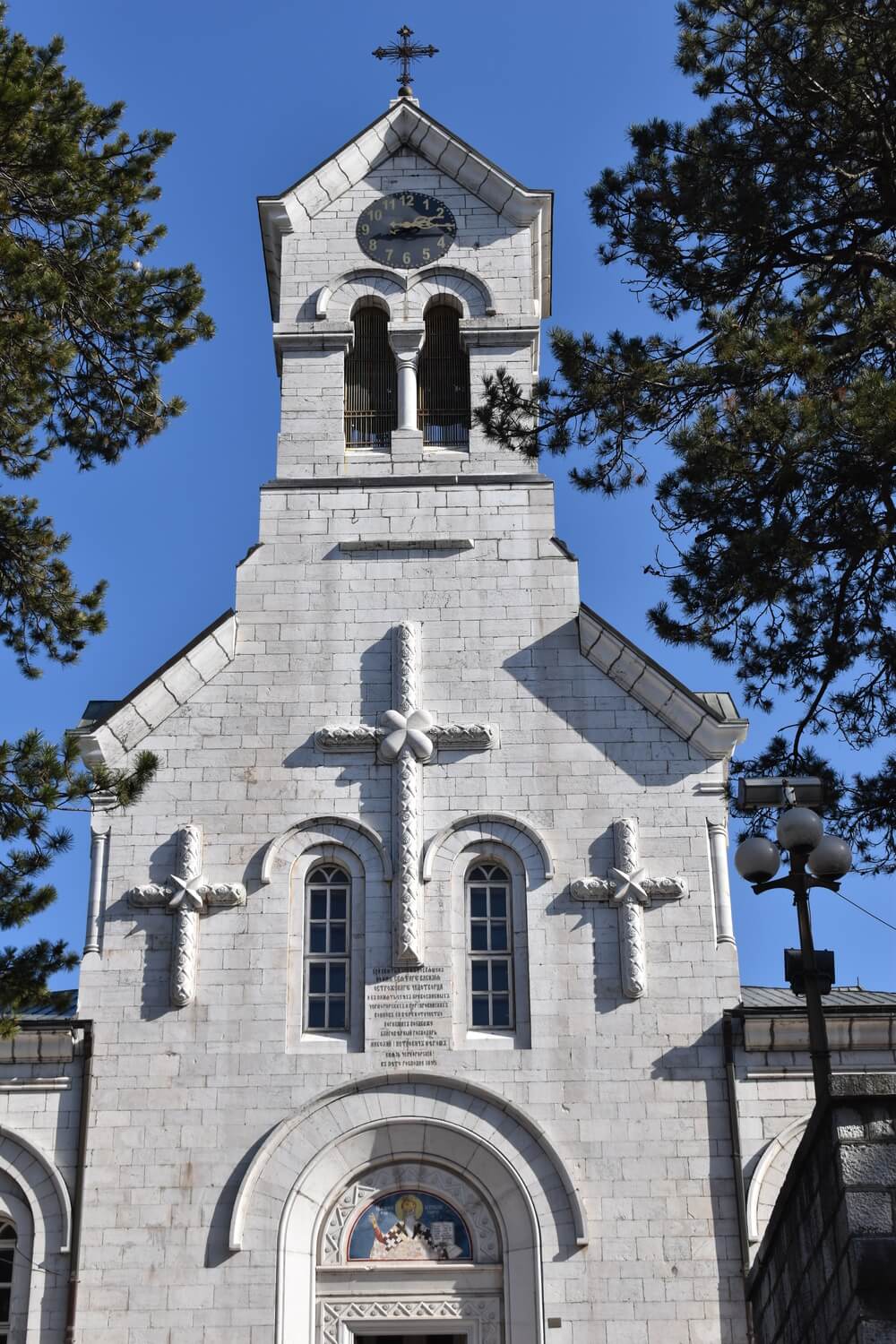
“Nevesinje” newspapers announced in October 1898 that the roof, the arch as well as a dome and a bell tower were finished. The article author observes that the church in that phase of construction elevates the observers’ soul with its beauty. “Onogošt” newspapers, on the other hand, records that even a famous painter Uroš Predić came to Nikšić to see the new church which was supposed to be painted in fresco. However, the artist turned down the job because it was too extensive. Instead of frescos, names of more than 3000 soldiers, from Montenegro and Herzegovina who participated in liberation movement, found their place on the walls. Church was ceremonially blessed in August 1900.